
The Top 10 UK University Search Sites for School Leavers

Finding the right university can be a daunting task for school leavers and parents. With so many options available, it can be difficult to know where to start. Luckily, there are a variety of resources available to help you make an informed decision. Here are ten of the best resources for finding the right university in the UK:

1.            UCAS (https://www.ucas.com/) – The official UK university admissions service website that allows you to search for courses, compare universities, and apply to university.

2.            The Complete University Guide (https://www.thecompleteuniversityguide.co.uk/) – Provides comprehensive rankings of universities in the UK, along with course and subject rankings, student satisfaction ratings, and other useful information.

3.            Which? University (https://university.which.co.uk/) – Offers information on choosing a university and applying to university, along with course and university rankings, student reviews, and other resources.

4.            Uni Compare (https://universitycompare.com/) – Allows you to compare universities and courses based on factors such as course content, entry requirements, accommodation, and facilities.

5.            The Guardian University Guide (https://www.theguardian.com/education/universityguide) – Provides rankings of UK universities based on various criteria, including student satisfaction, graduate prospects, and entry standards.

6.            What Uni (https://www.whatuni.com/) – Offers a range of resources to help you choose a university and course, including rankings, reviews, and information on scholarships and funding.

7.            Prospects (https://www.prospects.ac.uk/) – Provides information and advice on all aspects of graduate careers, including choosing a university and course, and offers a comprehensive graduate job search database.

8.            Unistats (https://unistats.ac.uk/) – Allows you to compare official data on undergraduate courses at UK universities and colleges, including student satisfaction ratings and employment outcomes.

9.            Hotcourses Abroad (https://www.hotcoursesabroad.com/) – Provides information on studying abroad, including course and university rankings, country guides, and student reviews.

10.          TARGETcareers (https://targetcareers.co.uk/) – Offers advice and information on choosing a career and finding a job, including information on apprenticeships, work experience, and graduate schemes.

By using these resources, you can find the right university that fits your needs and aspirations. Whether you’re looking for specific course rankings, student satisfaction ratings, or graduate job prospects, these resources have got you covered. So, take advantage of these resources and start your university search today!10 Resources to Help You Find Your Perfect UK University

I usually post twice a week, please subscribe to make sure you get the best career and education advice.

I have more great advice and tips on my blog please explore!

#UKuniversities #UniversitySearch #HigherEducation #UCAS #CompleteUniversityGuide #WhichUniversity #UniCompare #GuardianUniversityGuide #Prospects #TARGETcareers #navigatingyourcareer

Mastering Your Job Interview: Answering 3 Most Common Questions with Confidence

As a school leaver or young adult entering the workforce, job interviews can be intimidating. However, being prepared and confident can increase your chances of success. In this post, we will cover three of the most common interview questions and provide tips on how to answer them effectively.

  1. “Why do you want to be in this industry or sector?” This question is an opportunity for you to communicate your enthusiasm for the industry or sector. Employers want to hire candidates who are passionate about the work they do and are committed to learning and growing in their roles. To answer this question, do some research on the company and industry you’re applying to. Identify the company’s goals and values, and think about how they align with your interests and career aspirations (if you have difficulties identifying you passions and interest, try answering my 5 questions here). Highlight any previous experience or education related to the industry or sector, and mention any hobbies or extracurricular activities that demonstrate your passion for the field.
  2. “What makes you ideal for this position?” When answering this question, focus on your unique skills and experiences that make you stand out from other candidates. Use the job description as a guide to identify the key skills and qualities that the employer is looking for. In addition to your technical skills and experience, think about other qualities that make you an ideal candidate. Provide specific examples of times when you have demonstrated these qualities in the workplace or in other contexts.
  3. “Why do you want to come and work for us?” This question is all about demonstrating your knowledge of the company and your interest in the position. Research is critical when answering this question. Familiarize yourself with the company’s mission, values, and culture, and think about how you can contribute to their success. Be specific about what you like about the company and how it aligns with your career goals. Reference recent company news or events, or mention specific aspects of the company culture that appeal to you. If you have any relevant connections to the company or industry, be sure to mention them as well.

By answering these common interview questions with confidence and authenticity, you can demonstrate your value as a candidate and increase your chances of landing your dream job. Remember to prepare ahead of time, practice with a friend or family member, and show up to the interview with a positive attitude and professional demeaner.

I hope this has helped good luck and please see some of my other articles to help you get you dream job.

#interviewtips #careersuccess #jobsearch #careeradvice #interviewquestions #jobinterview #jobseekers #jobhunting #careerdevelopment #careerjourney

The Ultimate Guide to Finding the Right University for You

Choosing a university is a big decision, and one that can have a significant impact on your future career prospects. With so many options to choose from, it can be overwhelming to determine which university is the best fit for you. Here are some tips to help guide you through the decision-making process.

  1. Determine Your Priorities Before you start researching universities, take some time to reflect on your priorities. What do you want to get out of your university experience? Are you looking for a specific program or area of study? Do you want to attend a university in a specific location? Consider factors such as cost, campus culture, extracurricular activities, and career opportunities when making your list of priorities.
  2. Research Your Options Once you have identified your priorities, start researching universities that align with those priorities. Look at university rankings, course offerings, faculty members, campus facilities, and alumni networks. Talk to current students, attend virtual open houses, and participate in online forums to get a better sense of the university’s community and culture.
  3. Consider Your Future Career Goals While it’s important to choose a university that aligns with your current interests and priorities, it’s also important to consider your future career goals. Look for universities with strong career services departments, internships, and co-op programs. Consider the university’s alumni network and the success of their graduates in your desired field. Choosing a university with a strong track record of placing graduates in your desired field can give you a significant advantage when it comes time to enter the job market. (you may like to visit “5 Questions to Help You Find Your Dream Job“)
  4. Don’t Be Afraid to Step Outside Your Comfort Zone Attending university is an opportunity to step outside your comfort zone and try new things. Consider universities that offer study abroad programs, unique extracurricular activities, and opportunities to engage with diverse communities. Embrace new experiences and challenges to broaden your horizons and enhance your personal and professional growth.
  5. Trust Your Instincts While it’s important to consider all the practical factors when choosing a university, ultimately, you should trust your instincts. Visit the campus, talk to students and faculty, and get a sense of whether the university feels like a good fit for you. During your visit, pay attention to the campus facilities, such as the library, lecture halls, and student common areas. Consider whether the university has the resources and support services you need to succeed academically, such as tutoring services, writing centres, and academic advisors. You want to choose a university where you will be happy and thrive both academically and personally.
  6. It’s also important to think about practical matters, such as location and cost. Consider whether you can afford to live on campus or whether you’ll need to find off-campus housing. If you’re planning to move away from home, think about whether you’re ready for the responsibilities and challenges that come with living independently. You may also want to consider the location of the university in terms of job opportunities, social life, and access to public transportation.
  7. When it comes to budgeting, keep in mind that the cost of tuition and living expenses can vary widely depending on the university and its location. Consider whether you’ll need to take out loans or work part-time to cover your expenses. If you’re concerned about the cost of attending university, look for scholarships, grants, and other financial aid options that can help offset the costs.

In conclusion, choosing the right university can be a daunting task, but by following these tips, you can make an informed decision that aligns with your priorities, future career goals, and personal growth. Remember, attending university is an opportunity to broaden your horizons, meet new people, and embark on an exciting journey of personal and professional development.

Hashtags:

#universitysearch #careerdevelopment #collegeadmissions #choosingrightuniversity #highereducation #studentlife #collegegoals #futurecareer #personaldevelopment #trustyourinstincts #UniversitySelection #CollegeAdvice #HigherEducation #StudentLife #CampusCulture #StudentSupport #FinancialAid #BudgetingTips #LivingExpenses #UniversityVisits

Please subscribe to receive my latest blogs

What Employers Really Want: A Guide for School Leavers

Congratulations on completing your schooling and taking the first steps towards your career! As you begin your job search, it’s important to understand what employers are looking for in school leavers. By knowing what skills and qualities are in demand, you can tailor your job search and make yourself a more attractive candidate.

Here are some of the top skills and qualities that employers are looking for in school leavers:

  1. Strong Work Ethic: Employers want to hire candidates who are reliable, responsible, and hardworking. They want to know that you will show up on time, meet deadlines, and put in the effort required to get the job done.
  2. Adaptability: In today’s rapidly changing work environment, employers want employees who can adapt to new technologies, processes, and challenges. They want to hire candidates who are flexible, open-minded, and willing to learn.
  3. Communication Skills: Strong communication skills are essential in almost every job. Employers want candidates who can communicate clearly and effectively, both verbally and in writing.
  4. Teamwork: Most jobs require working with others to achieve common goals. Employers want candidates who can work well in a team, collaborate with others, and contribute to a positive work environment.
  5. Problem-Solving Skills: Employers want employees who can identify problems, analyse information, and develop effective solutions. They want candidates who can think critically and creatively to solve complex problems.
  6. Positive Attitude: Employers want to hire candidates who are optimistic, enthusiastic, and have a can-do attitude. A positive attitude can help you stand out from other candidates and make a strong impression on potential employers.

By developing these skills and qualities, you can make yourself a more attractive candidate to potential employers. Consider how you can demonstrate these skills in your job search and in your everyday life.

Here are some tips to help you showcase your skills to potential employers:

  • Highlight your skills and experience on your resume and cover letter.
  • Prepare examples of times when you demonstrated these skills in previous jobs, volunteer work, or extracurricular activities.
  • Practice your interview skills and be prepared to discuss how you can contribute to the employer’s goals.
  • Network with professionals in your desired industry to learn more about what skills and qualities are in demand.
  • Consider further education or training to develop new skills and make yourself a more competitive candidate.

Remember, finding the right job takes time and effort, but by understanding what employers are looking for, you can position yourself for success.

#careeradvice #jobsearch #schoolleavers #jobskills #employability #jobmarket #jobhunting #jobinterview #jobapplication

Your Career Journey: From School to Success

Congratulations on graduating from school and taking the first steps towards your future career! As a school leaver, you may be feeling overwhelmed by the number of options available and unsure of where to start. That’s why we’ve put together this guide to help you navigate the working world, find the job that’s right for you, and take the first steps on your career journey. From getting part-time work experience to networking with industry professionals, we’ve got you covered.

  1. Get Part-Time Work Experience Getting part-time work experience in the field you’re interested in is a great way to learn more about the industry, gain valuable experience, and make connections. But don’t limit yourself to traditional jobs – consider volunteer work, internships, or even job shadowing opportunities. These experiences can help you stand out to potential employers and give you a better understanding of what it’s like to work in your chosen field.
  2. Take Advantage of Career Guidance Services Your school or local job centre can offer career guidance services to help you identify your strengths, skills, and interests, and connect you with job opportunities. They can also provide advice on education and training options that will help you pursue your chosen career path. Don’t be afraid to ask for help and guidance – it could be the key to unlocking your potential.
  3. Consider Further Education or Training Further education or training, such as vocational courses or apprenticeships, can give you the skills and qualifications you need to stand out to potential employers. Not only will you gain practical experience, but you’ll also earn while you learn. This can give you a head start on your career journey and help you become an attractive candidate for future job opportunities.
  4. Network, Network, Network Networking is a powerful tool for building connections and finding job opportunities. Attend events, join professional organizations, and reach out to people in your desired industry for advice and insights. Building a strong network can help you stay informed about the latest industry developments and potentially open doors to future job opportunities.
  5. Stay Informed and Up-to-Date Staying informed about industry news, trends, and technology is essential for staying competitive in your field. Subscribe to trade publications, follow industry leaders on social media, and attend conferences or workshops to gain knowledge and insights that will make you an attractive candidate for future job opportunities.

Remember, finding the right job takes time and effort, but by following these tips, you’ll be on your way to success. Whether you’re a school leaver, first-time job seeker, or teenager looking to start your career journey, the key is to stay focused, remain open to new opportunities, and never stop learning.

#careeradvice #jobsearch #firsttimejobseeker #youngprofessionals #schoolleavers #networking #futurecareer #vocationaleducation #apprenticeships #careerdevelopment

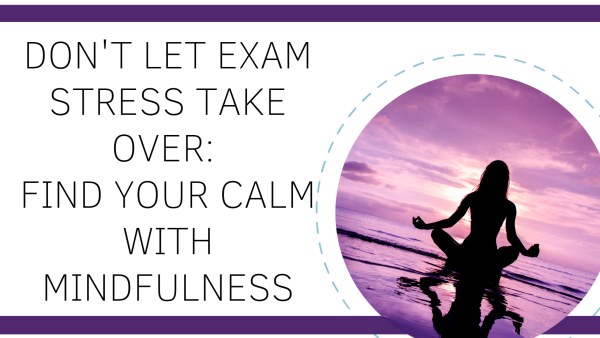
Don’t Let Exam Stress Take Over: Find Your Calm with Mindfulness

Exam time can be overwhelming and stressful, but there are healthy coping mechanisms that can help you cope with the pressure. One effective way to reduce stress and increase focus is through mindfulness. Mindfulness is about being present in the moment and reducing worries about the future or regrets about the past. Here’s how mindfulness can benefit you during exam time:

  1. Reduce stress: Mindfulness can help reduce stress and anxiety by focusing your attention on the present moment. By taking deep breaths and focusing on your senses, you can calm your mind and feel more relaxed.
  2. Improve focus: Mindfulness can improve focus and clarity by reducing distractions and increasing attention. By meditating, deep breathing, or simply focusing on your senses, you can improve your concentration and feel more prepared for exams.
  3. Increase self-awareness: Mindfulness can increase self-awareness and help you understand your emotions and thoughts. By observing your thoughts and feelings, you can gain insight into your motivations and habits and make positive changes.
  4. Improve sleep: Mindfulness can improve sleep and help you get the rest you need. By practicing relaxation techniques and reducing anxiety, you can fall asleep more easily and wake up feeling refreshed.
  5. Increase happiness: Mindfulness can increase happiness and well-being. By focusing on the present moment and reducing stress, you can improve your overall mood and feel more positive during exam time.

Incorporating mindfulness into your routine can make a big difference during exam time. Try meditating, deep breathing, or simply focusing on your senses to experience the benefits of mindfulness. Remember to take care of yourself during exam time and prioritize your well-being to achieve your best results.

5 Questions to Help You Find Your Dream Job

As a school leaver, deciding on your career path can be daunting. With so many options available, it can be overwhelming to know where to start. However, the good news is that finding the right job for you doesn’t have to be a painful process. By answering some simple questions, you can identify your strengths, passions, and potential career paths. In this blog post, we’ll walk you through five important questions to help you discover the job that’s perfect for you.

Question 1: What is play for you, that is work for everyone else?

Think about the things you enjoy doing in your free time that others might not find enjoyable. Perhaps you love writing or coding, or you enjoy organizing events. These are all activities that could translate into a potential career path.

Question 2: If you didn’t have to make money, what would you actually want to do?

This question helps you identify your true passions. Even if it seems unrealistic, think about what you would do if you had unlimited time and resources. This can be a great starting point for exploring potential career paths.

Question 3: What kind of people do you get energy from, and where do you find those people?

Think about the people in your life who inspire and motivate you. Do you enjoy working with people who are creative and innovative, or do you prefer a more structured environment? By identifying the types of people, you enjoy being around, you can gain insight into what type of work environment might suit you best.

Question 4: In the next 5 years, how do you want to grow, and what do you want to learn?

Think about the skills you want to develop and the areas you want to improve in. This can help you identify potential career paths that will allow you to grow and learn over time.

Question 5: Who are five people in your life that you admire, and what are they doing?

This question helps you identify potential career paths by looking at the people you admire. Perhaps there’s someone in your life who has a job that seems interesting, or maybe you admire someone’s work ethic or creativity. By looking at the people you admire, you can gain insight into what kind of work you might enjoy.

By answering these five questions, you can gain a better understanding of your strengths, passions, and potential career paths. Remember, it’s okay if you don’t have all the answers right away. Your career path is a journey, and it’s okay to take time to explore and discover what you truly enjoy. With some self-reflection and a bit of research, you’ll be well on your way to finding the job that’s perfect for you.

#CareerPath #DreamJob #SchoolLeavers #CareerAdvice #SelfDiscovery

Please subscribe to receive my latest blog posts

The Secret to Acing Your Exams: Talking to Someone You Trust

Exams can be a stressful and overwhelming time, but having a strong support system in place can make all the difference. Talking to someone you trust about your concerns, worries, and goals can provide relief, motivation, and guidance. Here are some of the benefits of communicating during exam time:

  1. Get things off your chest: Sharing your thoughts and worries with someone you trust can help you get them off your chest and reduce feelings of stress and anxiety.
  2. Gain perspective: A fresh perspective can be a powerful tool when it comes to managing stress. Talking to someone you trust can help you put things in perspective and gain a clearer understanding of the situation.
  3. Receive support: Feeling supported and encouraged can be a big help when you’re feeling overwhelmed. Talking to someone you trust can help you feel less alone and more motivated.
  4. Receive guidance: Seeking guidance and advice from someone with experience or expertise can help you feel more confident and prepared for exams.
  5. Improve mental health: Maintaining good mental health is essential, especially during exam time. By seeking support and guidance from others, you can prevent burnout and improve your overall well-being.

Who can you talk to? You have many options when it comes to finding someone to talk to. Some options include:

  • Friends: Talking to a close friend can be a great way to relieve stress and gain support.
  • Family members: Family members can provide comfort, encouragement, and guidance.
  • Teachers: Teachers can be a valuable resource for exam-related advice and guidance.
  • Counsellors: If you’re feeling overwhelmed, talking to a counsellor can be a big help. They’re trained to provide support and guidance during stressful times.

Remember, it’s important to prioritize your mental health and well-being during exam time. Don’t be afraid to reach out and talk to someone. The power of communication can make all the difference!

Dream Big: How Sleep Impacts Your Exam Performance

As a school leaver, you’re likely facing the pressure of exams and the stress that comes along with them. While you may be tempted to sacrifice sleep for more study time, it’s important to remember that sleep plays a crucial role in exam success. Here’s why getting enough sleep should be a top priority during this time.

  1. Enhance focus and attention: A good night’s sleep can help you feel more alert and ready to tackle exams. Improved focus and attention will help you stay focused during exams and avoid distractions.
  2. Boost memory and recall: Sleep plays a crucial role in memory consolidation and recall. By getting enough sleep, you can improve your ability to retain information and perform better on exams.
  3. Reduce stress and prevent burnout: Exam stress can take a toll on both your mental and physical health. Sleep is essential for reducing stress and preventing burnout. By getting enough sleep, you can feel less anxious and more motivated during exam time.
  4. Improve mood and well-being: Sleep can also improve your mood and overall well-being. By getting enough sleep, you’ll feel happier, more energized, and more motivated during exam time.
  5. Promote physical health: Sleep is also crucial for physical health. By getting enough sleep, you can keep your immune system strong, improve energy levels, and avoid burnout.

To get the best results, aim for 7-9 hours of sleep per night. Remember, sleep is just as important as study time, so prioritize it accordingly. Don’t sacrifice sleep for more study time – it’s essential for your success!

Website Powered by WordPress.com.

Up ↑